
Carbon Fiber vs. Fiberglass: How Core Materials Affect Your Pickleball Paddle Feel
Every pickleball player has experienced this moment: Two paddles look identical, yet produce distinctly different feels upon impact. The secret lies beneath the surface - in the core materials that define energy transfer mechanics.
Whether you're a power-driven attacker or a control-focused strategist, understanding carbon fiber and fiberglass properties will transform how you select equipment. This article explains the material science behind paddle performance, free from marketing hype.
Material Fundamentals
Carbon Fiber Construction
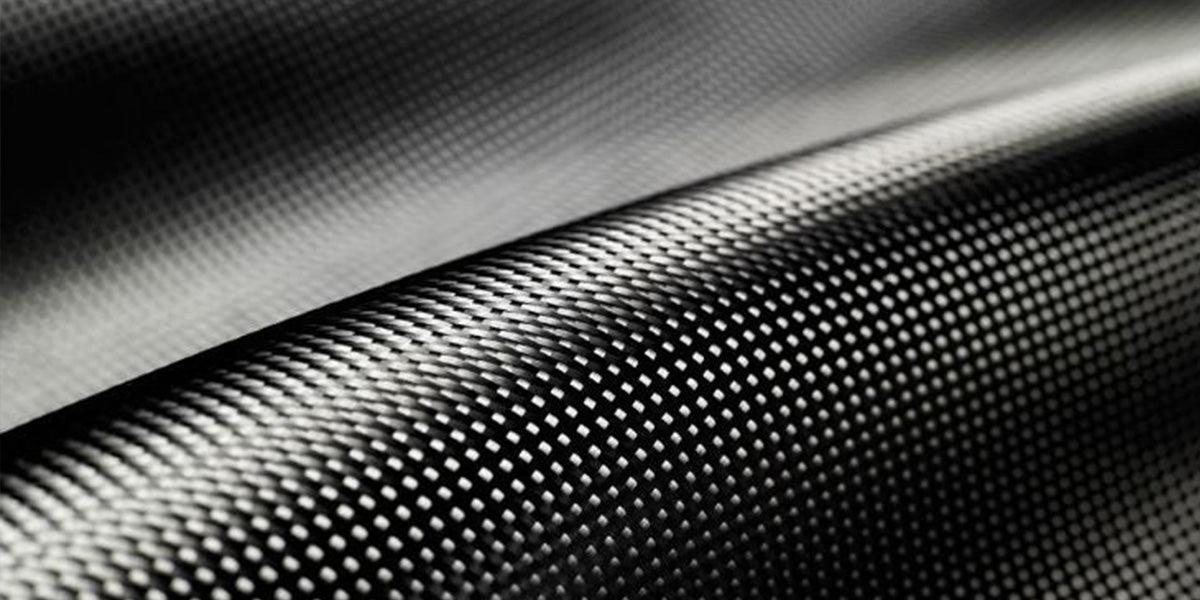
Carbon fiber paddles are made by weaving ultra-thin carbon strands into a rigid lattice, then bonding them with epoxy resin. The molecular alignment creates high directional stability.
Fiberglass Composition
Fiberglass uses randomly oriented glass fibers embedded in polymer. The chaotic fiber distribution allows multi-directional flexibility.
Performance Characteristics
Energy Transfer
-
Carbon Fiber: Direct energy transmission enables faster ball exit speed (approx. 8-12% quicker than fiberglass)
-
Fiberglass: Energy absorption through fiber bending creates softer impact feel
Vibration Control
-
Carbon Fiber: Transmits high-frequency vibrations (200-500Hz) more directly to the arm
-
Fiberglass: Dampens medium-frequency vibrations (50-200Hz) through material deformation
Durability
-
Carbon Fiber: Resists permanent deformation but may develop micro-cracks under repeated impacts
-
Fiberglass: Gradually loses elasticity over time while maintaining structural integrity
Application Scenarios
When to Choose Carbon Fiber
-
Players prioritizing shot speed and directional accuracy
-
Competitive environments requiring instant power response
-
Users without chronic arm joint issues
When to Choose Fiberglass
-
Players valuing comfort and vibration reduction
-
Recreational play with extended rally durations
-
Users needing elbow/shoulder protection
Technical Evolution
Modern paddles often combine both materials:
-
Carbon-fiber surface layers for immediate power response
-
Fiberglass core structures for vibration absorption
-
Hybrid designs balance stiffness and flexibility in specific zones
Maintenance Considerations
Carbon Fiber Care
-
Clean with alcohol wipes (70% concentration) to prevent resin degradation
-
Avoid exposure to temperatures above 60°C/140°F
Fiberglass Maintenance
-
Use mild soap water for cleaning to preserve polymer elasticity
-
Store vertically to prevent gravity-induced fiber misalignment
Myth Clarification
Myth 1: "Carbon fiber is always better"
Reality: Beginner players often perform better with fiberglass paddles due to larger sweet spots.
Myth 2: "Material alone determines performance"
Reality: Surface texture, edge guard design, and core thickness equally influence paddle behavior.
Conclusion
Carbon fiber excels in power transmission and precision, while fiberglass offers superior comfort and forgiveness. Players should select based on skill level, physical condition, and playing style rather than material stereotypes.
Related Posts

How to Place Your First Custom Carbon Fiber Pickleball Paddle Order
Step 1: Define Your Target Player Before You Contact AnyoneStep 2: Request a Sample — and Understand Why Low MOQ MattersStep 3: Make Your...
Sep 08 2026

Pickleball Elbow: Causes, Prevention Tips, and the Right Paddle Setup to Protect Your Arm
What Is Pickleball Elbow?Why Pickleball Players Get Elbow Pain More Than They ExpectThe Volume ProblemGrip MechanicsPaddle Stiffness and VibrationPoor TechniquePrevention: What Actually WorksBuild Up...
Sep 07 2026

What Does Your Pickleball Paddle Say About You?
Six player personalities, six custom paddle directions, and one simple way to create a design that feels like it belongs to you. A...
Aug 29 2026

Can You Use a Custom Pickleball Paddle in Tournaments?
Performance, spin, printing methods, and approval rules explained for players who want a paddle that looks personal without treating performance as an afterthought. ...
Aug 29 2026

Why Pickleball Is Booming in Vietnam in 2026
Major tournaments, expanding club participation and a new generation of competitive players are turning Vietnam into one of Asia’s most visible emerging pickleball communities....
Aug 21 2026

Vietnam's Pickleball Breakthrough: Highlights from the 2026 PPA Asia 500 Ho Chi Minh City Open
Vietnam's Pickleball Breakthrough: Highlights from the 2026 PPA Asia 500 Ho Chi Minh City Open From a hometown men's doubles title to historic singles...
Aug 21 2026

High-Performance vs. Recreational Pickleball Paddles: What Actually Changes?
A better paddle is not simply more powerful. Here is what players actually gain when they move from recreational equipment to a performance-focused design....
Aug 15 2026

Singles vs. Doubles Pickleball Paddles: Do You Need a Different Paddle?
Singles rewards reach, leverage, and court coverage. Doubles puts a premium on quick hands, stability, and control. Here is how to choose without buying...
Aug 15 2026